 Global Market
 Sverige
 Deutschland
 France
 Suomi
Suomi United Kingdom
Sync & Breathe with MCS-NX Control
2026-08-20
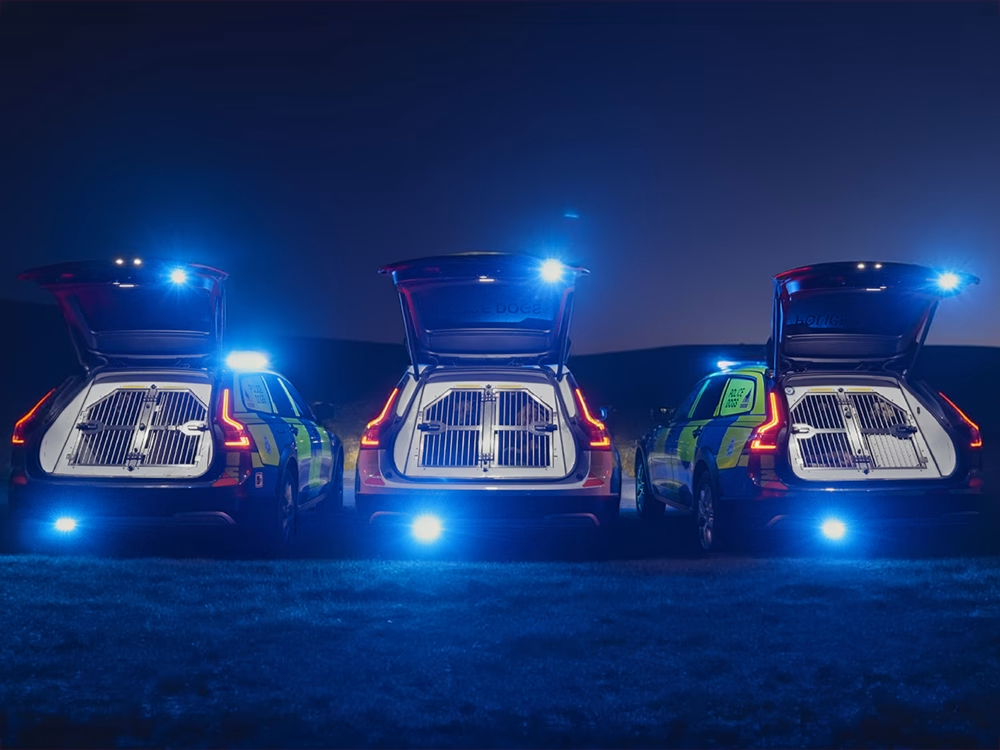

When multiple emergency vehicles arrive at an incident, coordinated warning lighting can help create a more controlled and consistent environment for responders, road users and the public.
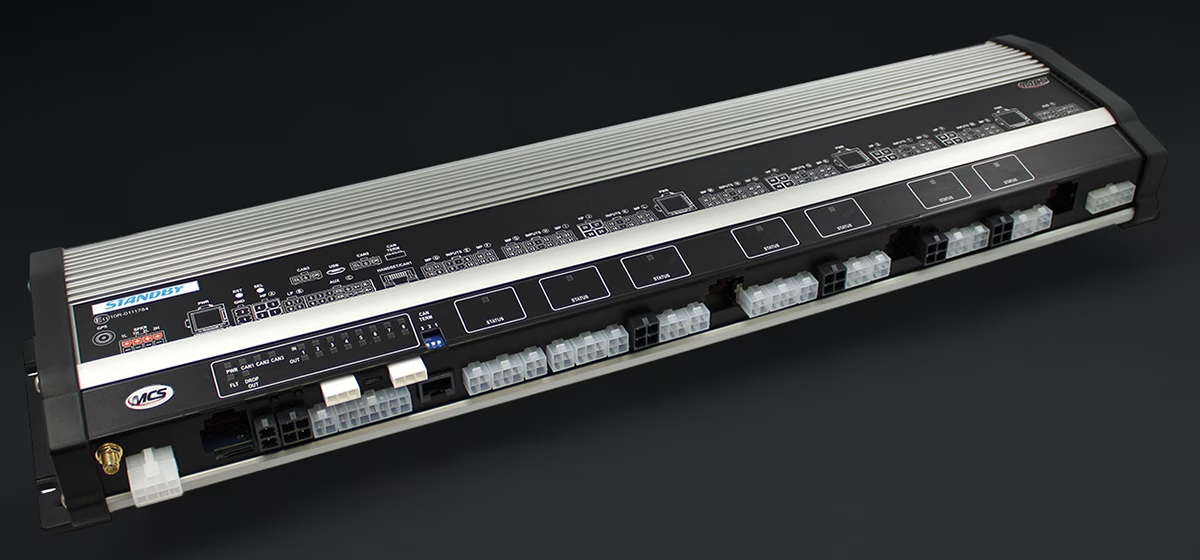
Sync & Breathe is an advanced safety feature included as standard across the Standby MCS-NX Next Generation Control System range. What makes the system different is where synchronisation happens.
Synchronisation is controlled by the vehicle’s central MCS-NX control system and not by the lightbar.
This means the synchronisation isn’t limited to the lightbar itself. All compatible warning lights connected to the MCS-NX system can operate as part of the same synchronised sequence, creating a coordinated lighting effect across the entire vehicle, with a single point of control.
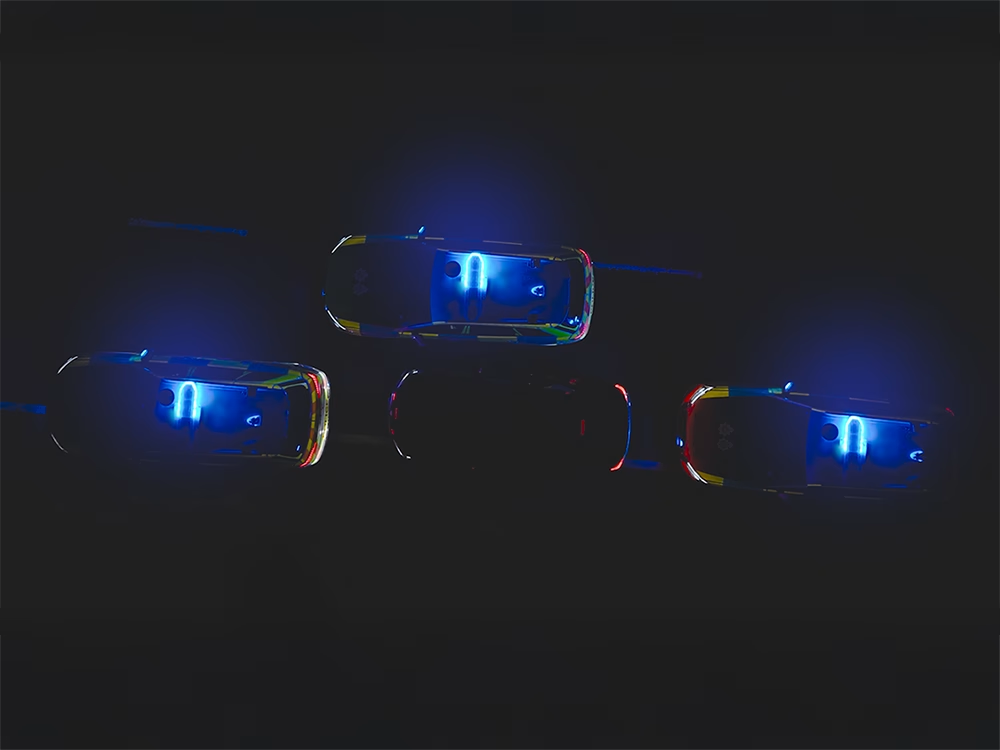
MCS-NX receives precise time signals from satellite atomic clocks also used by vehicle navigation systems to establish the timing of the lighting sequence.
Because synchronisation is controlled by the MCS-NX system, vehicles do not need to be near one another to establish the same timing. Once programmed with the same emergency warning lighting pattern, compatible MCS-NX-equipped vehicles maintain the same coordinated sequence across the fleet.
The result? Synchronisation that goes beyond the lightbar – creating a complete, coordinated warning lighting effect across the vehicle and across the fleet.
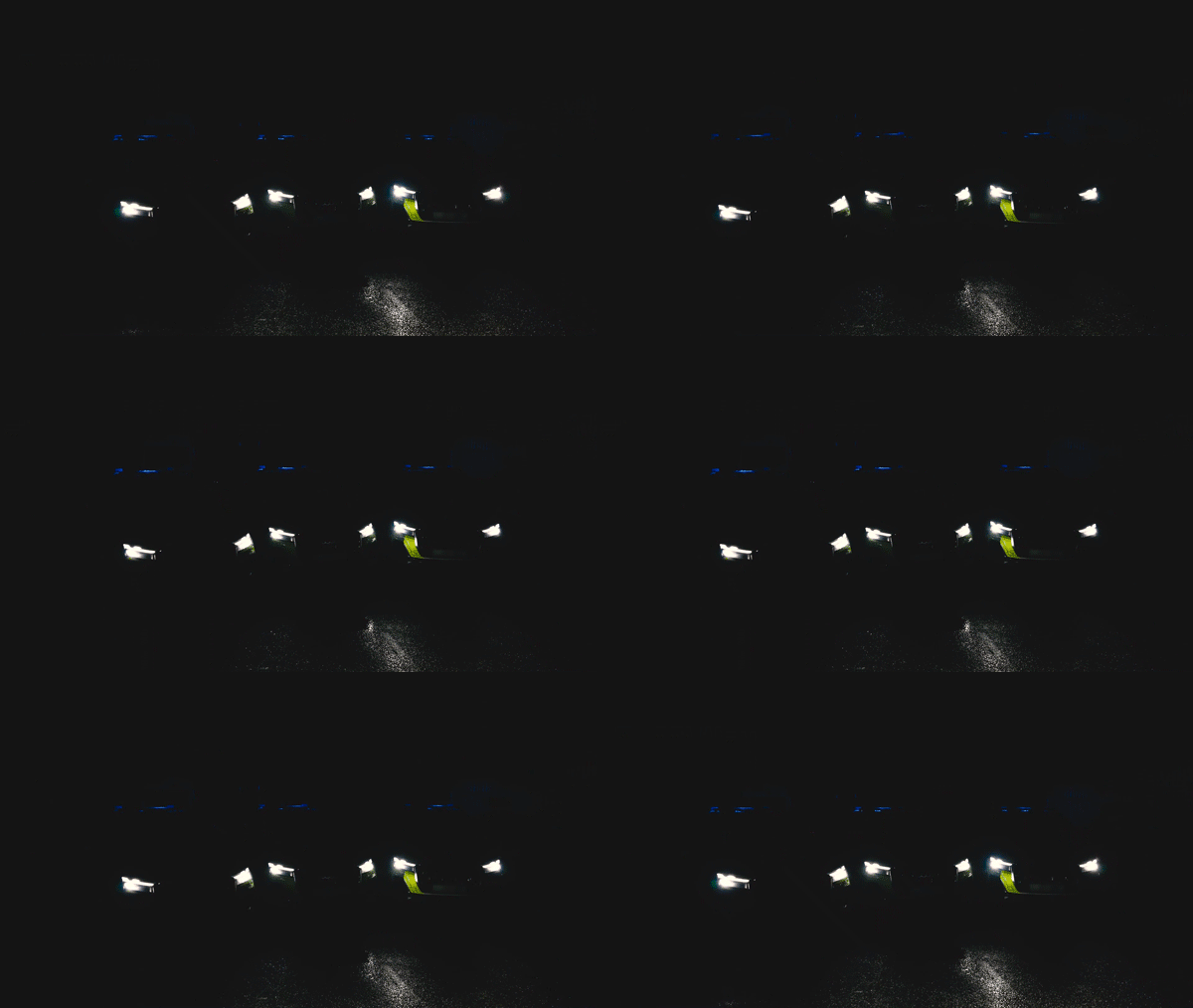
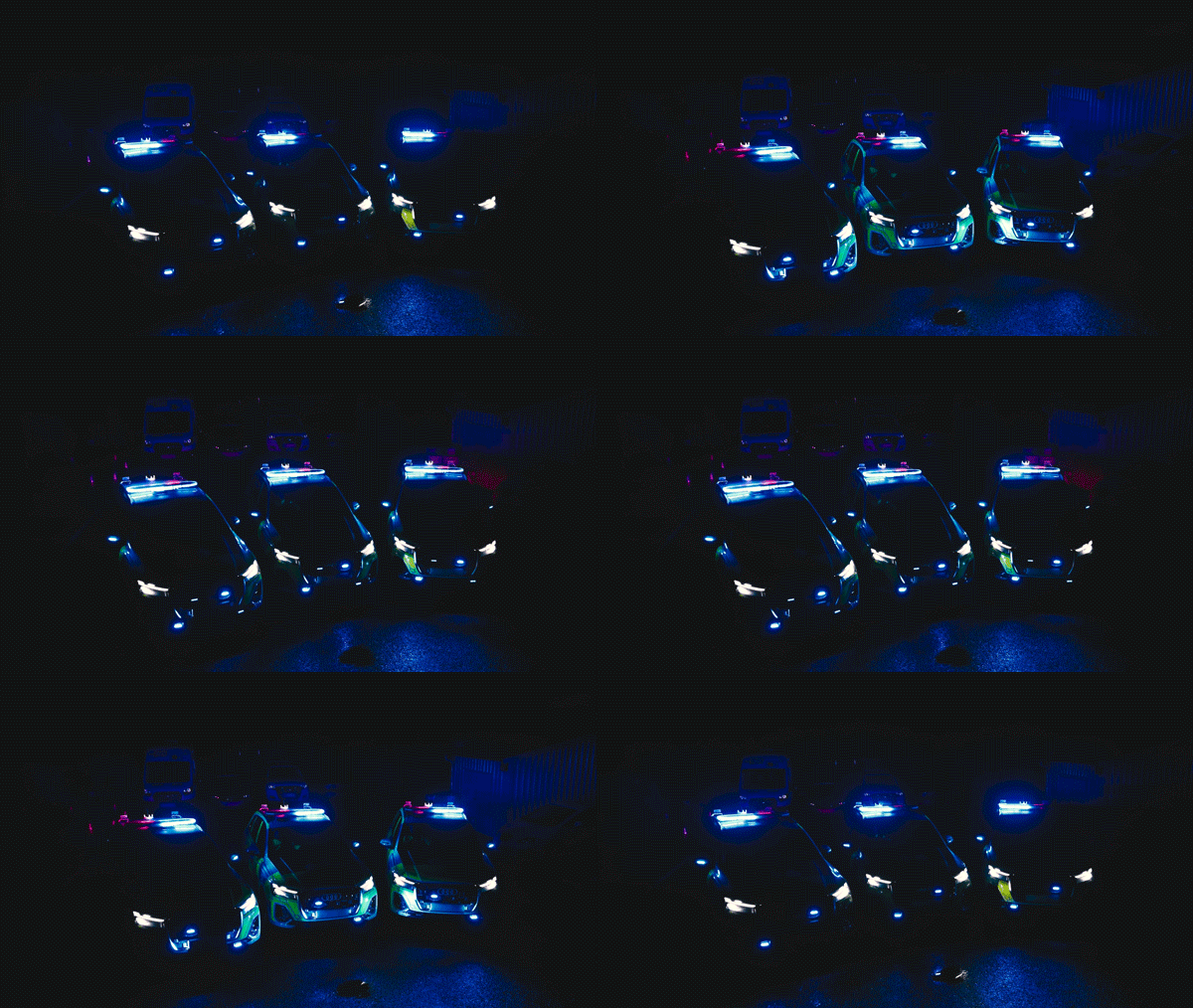
While responding, Sync provides a coordinated emergency warning pattern across the vehicle and compatible MCS-NX-equipped vehicles.
Once at the scene, responders can switch to the Breathe function – moving from the intensity of the response pattern to a visually calmer lighting sequence. Breathe maintains a visible synchronised warning presence around the incident with a calmer lighting pattern helping to reduce eye strain for on-scene emergency workers.

Note on system operation
Should vehicles activate their warning lights within a vehicle garage, a satellite time signal may not available. Lighting patterns may initially start at different points. Once outside and a satellite signal is restored, they will instantly synchronise.